
VISITING MADEIRA? COME PREPARED.

If you visiting Madeira, then come prepared - Essential Travel Tips.

Lets start off with some friendly advice – If visiting Madeira then come prepared.  Here are some essential travel tips.

Madeira is often described as a paradise island, and for good reason. It offers dramatic landscapes, mild weather, and a high quality of life. However, to truly enjoy your stay, it helps to arrive informed. Whether you are visiting for a short holiday, working remotely, or planning a longer stay, preparation makes all the difference.

This guide covers the most important things visitors should know before arriving in Madeira.

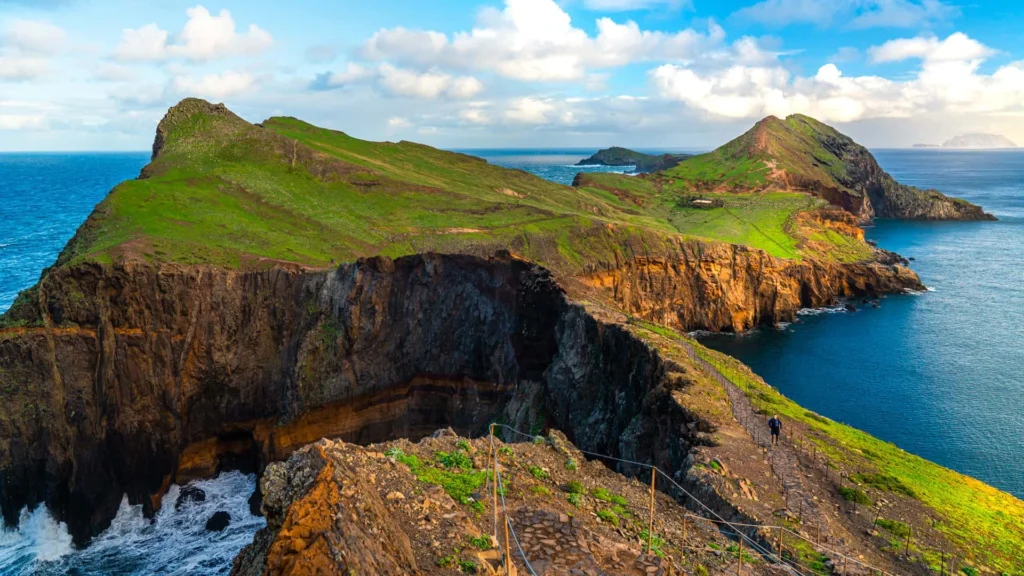
Madeira’s Geography: Small Island, Big Differences

Madeira may look small on a map, but the island has strong geographic contrasts. Conditions can change significantly between regions.

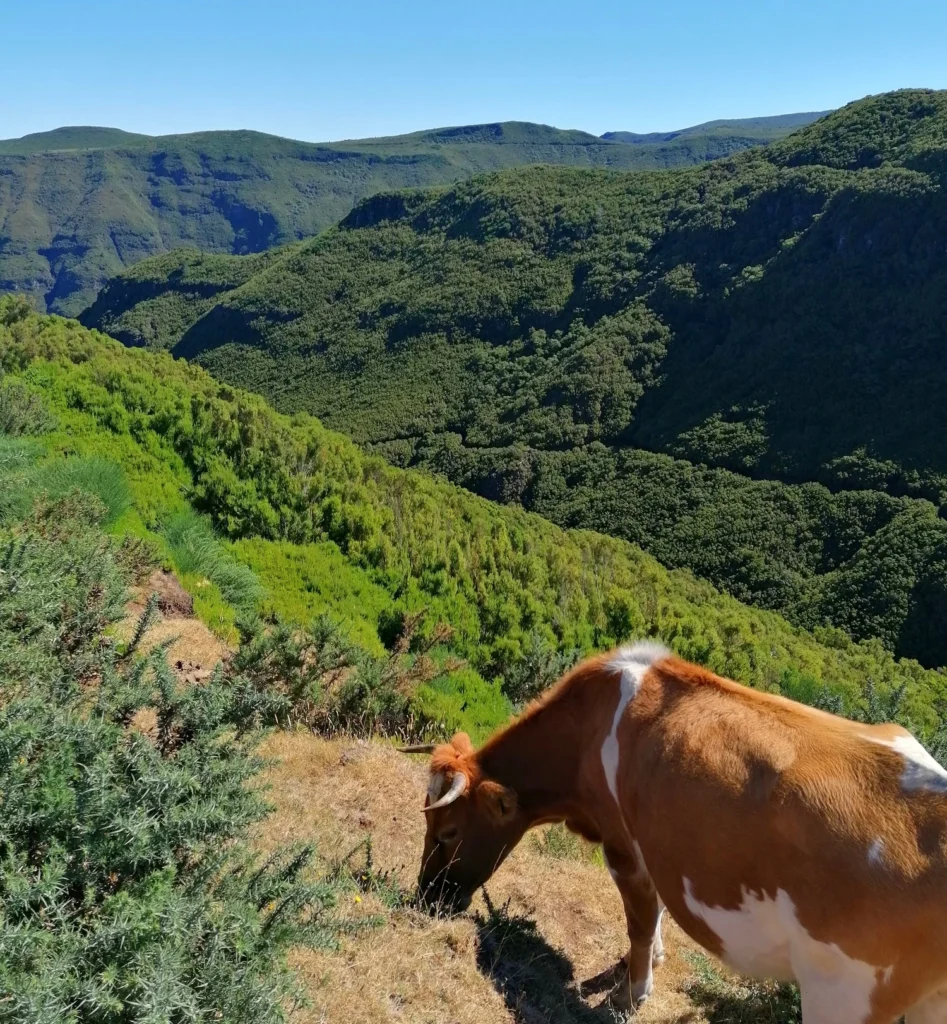
The south coast is generally sunnier and drier. The north tends to be cooler, windier, and wetter. Inland and mountainous areas often experience cloud cover, even when the coast is clear.

Altitude also plays a major role. Temperatures drop noticeably as you move higher, especially in winter. A sunny morning in Funchal can turn into fog or rain in the mountains within minutes.

Planning your day by region and elevation is essential.

Madeira’s Geography

Weather: Mild All Year, But Not Always Predictable

Madeira enjoys a subtropical climate with mild temperatures year-round. This makes it attractive for visitors at any time of the year.

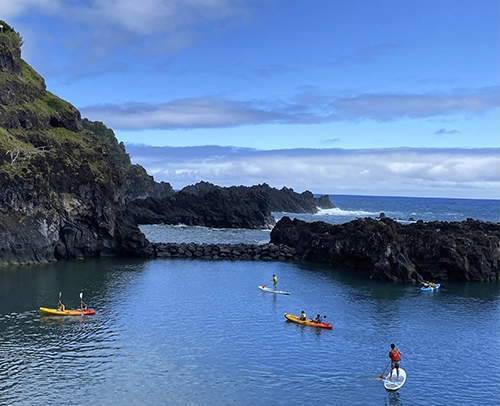
However, the weather is not uniform. Rain showers can be local and sudden. Wind exposure varies by location. Ocean temperatures are cooler than many visitors expect, even in summer.

It is wise to pack layers, a light rain jacket, and comfortable footwear. 

Checking local forecasts and webcams before heading out can save time and frustration.

Work remotely - Madeira Island

Getting Around: Why a Rental Car Is Often Best

Public transport works well within Funchal and nearby areas. Outside the city, options become limited.

A rental car gives you freedom. It allows you to reach viewpoints, hiking trailheads, and remote villages at your own pace. Roads are well maintained, but many are steep and winding.

Choosing a car with enough power is important. Automatic transmission is often more comfortable for visitors unfamiliar with steep terrain. Parking in towns can be tight, so patience helps.

Be Ready for Hills and Walking

Madeira is a vertical island. Even short distances can involve steep climbs or descents.

City streets, village roads, and coastal paths often include sharp inclines. Walking times can feel longer than expected. Comfortable walking shoes are essential, even for urban sightseeing.

Visitors with mobility concerns should plan routes carefully and allow extra time.

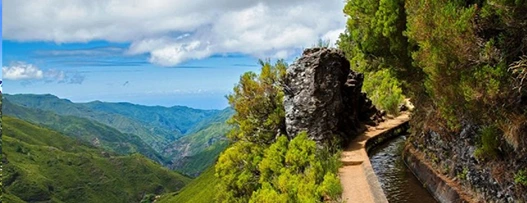
Levadas and Hiking Trails: Rules Have Changed

However, hiking trails are now regulated and controlled. New rules are in force to improve safety and protect nature. Certain official trails require registration or access control. 

Trail closures are enforced more strictly, especially during bad weather or maintenance periods.

Remote Workers - Nature Haven in Madeira

Visitors should:

  • Check official trail status before hiking

  • Respect closures and warning signs

  • Avoid unofficial or unsafe paths

  • Carry proper footwear and lighting for tunnels

Ignoring regulations can lead to fines and serious safety risks. Preparation is now essential for hiking in Madeira.

Food Culture: Local, Fresh, and Unhurried

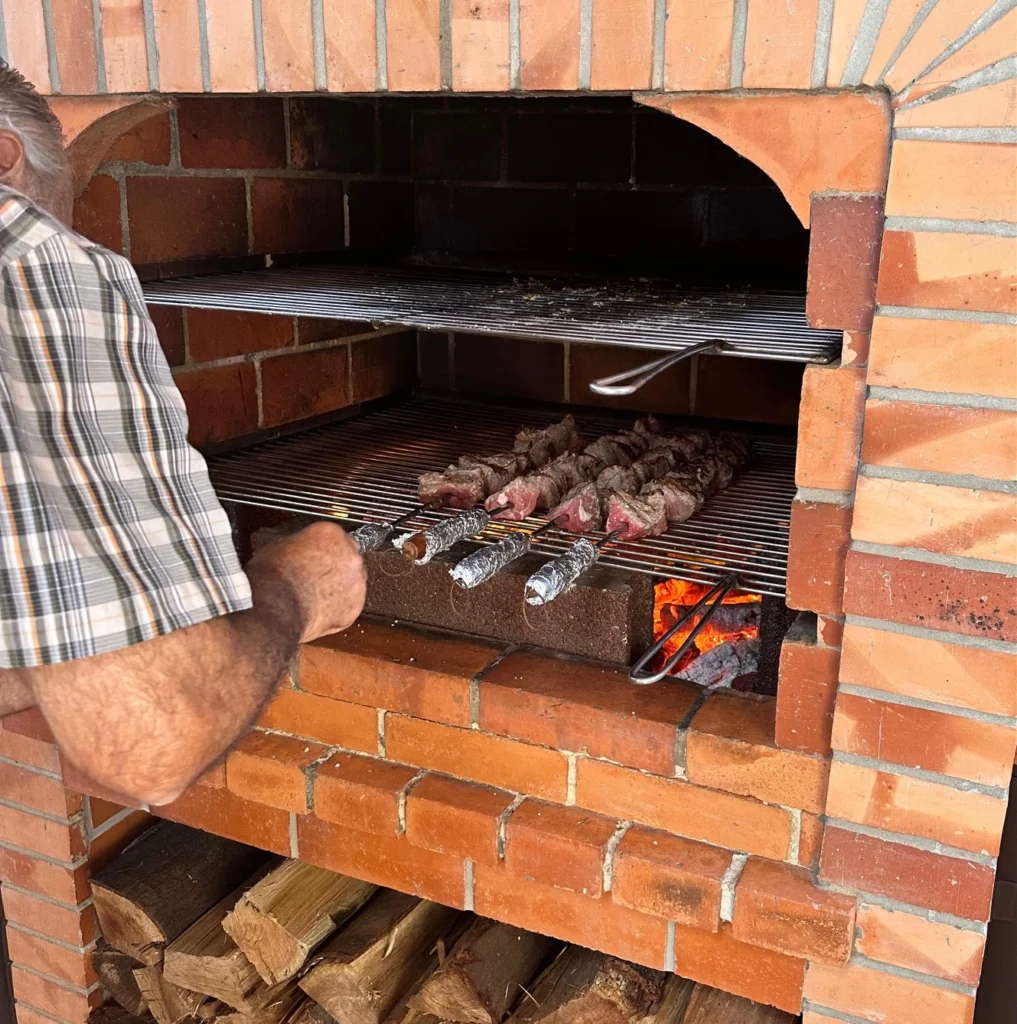
Madeiran cuisine is simple and rooted in local ingredients. Expect fresh fish, grilled meats, and traditional bread.  Popular dishes include “espada preta”, “espetada”, and bolo do caco.

Meals are often relaxed and unhurried. Service may feel slower than in large cities, especially outside tourist zones. This is normal and part of the local rhythm.

Trying local dishes and respecting dining customs enhances the experience. Cash is still useful in smaller restaurants and rural areas.

Language and Local Culture

Portuguese is the official language. English is widely spoken in tourist areas, but less so in rural parts of the island.

Locals are friendly and helpful. Politeness and patience go a long way. Life moves at a slower pace, especially outside Funchal.

Visitors who adapt to this rhythm often enjoy Madeira more deeply.

Connectivity and Practical Essentials

Internet quality is generally good across the island. Urban and semi-rural areas have reliable connections. More remote locations may have weaker coverage.

Healthcare facilities are modern and accessible. Pharmacies are well distributed. Shops in smaller towns may close earlier, and Sundays are quieter outside major centres.

Planning ahead helps avoid inconvenience.

Safety and Nature Awareness

Madeira is considered very safe. Crime rates are low, and visitors usually feel comfortable.

Nature, however, demands respect. Cliffs, ocean conditions, and mountain weather can be dangerous. Always follow local advice, signage, and official guidance.  Avoid going off the path, Madeira’s landscape is breathtaking but treacherous if one is not careful.

When to Visit: Timing Matters

Madeira is a year-round destination, but experiences vary by season.

Spring and autumn are ideal for hiking and remote work. Summer is busier and warmer. Winter remains mild but wetter, especially in the mountains.

Festivals and events can affect availability and prices, so booking ahead is recommended.

Final Thoughts: Madeira Rewards the Prepared Visitor

Madeira is not a destination to rush. It rewards those who slow down, plan wisely, and respect local conditions.

Whether you are visiting for a holiday, working remotely, or considering a longer stay, preparation allows you to enjoy the island’s full potential.

If you are looking for a base that combines reliable connectivity, space, and a calm, natural setting, Cabeço Alto Coliving-Coworking offers  remote-friendly accommodation in Madeira, designed for focused work and relaxed living. Explore how it can support your stay in Madeira by visiting cabecoalto.com and discover a more grounded way to experience the island.

Frequently Asked Questions About Visiting Madeira

Visit Madeira

Is Madeira a good destination for first-time visitors?

Yes, Madeira is very welcoming for first-time visitors. The island is safe, well-organised, and easy to navigate with some preparation. Understanding the geography, weather patterns, and transport options helps visitors get the most out of their stay.
What to pack for your trip to Madeira

What should I pack for a trip to Madeira?

Pack light layers, comfortable walking shoes, and a rain jacket. Weather can change quickly, especially in higher altitudes. Hiking gear is recommended if you plan to explore levadas or mountain trails.

Getting around in Madeira

Do I need a car when visiting Madeira?

A car is not essential if you stay mainly in Funchal. However, renting a car is highly recommended for exploring viewpoints, hiking areas, and rural parts of the island. It offers flexibility and saves time.
Madeira Remote Working

Is Madeira suitable for digital nomads and remote workers?

Yes. Madeira offers reliable internet, modern infrastructure, and a growing remote work ecosystem. Many visitors come for extended stays, combining work with an outdoor lifestyle.
Where to stay in Madeira

Is Madeira expensive for long stays?

Costs vary depending on location and season. Compared to many Western European destinations, Madeira can be good value, especially for longer stays. Planning accommodation and transport in advance helps manage expenses.
Madeira Hiking

Are hiking trails in Madeira regulated?

Yes. Madeira has introduced new regulations to control access to certain hiking trails. Some official routes may require registration or be temporarily closed due to weather or maintenance. Visitors should always check official trail status before hiking.